6 Groups Available
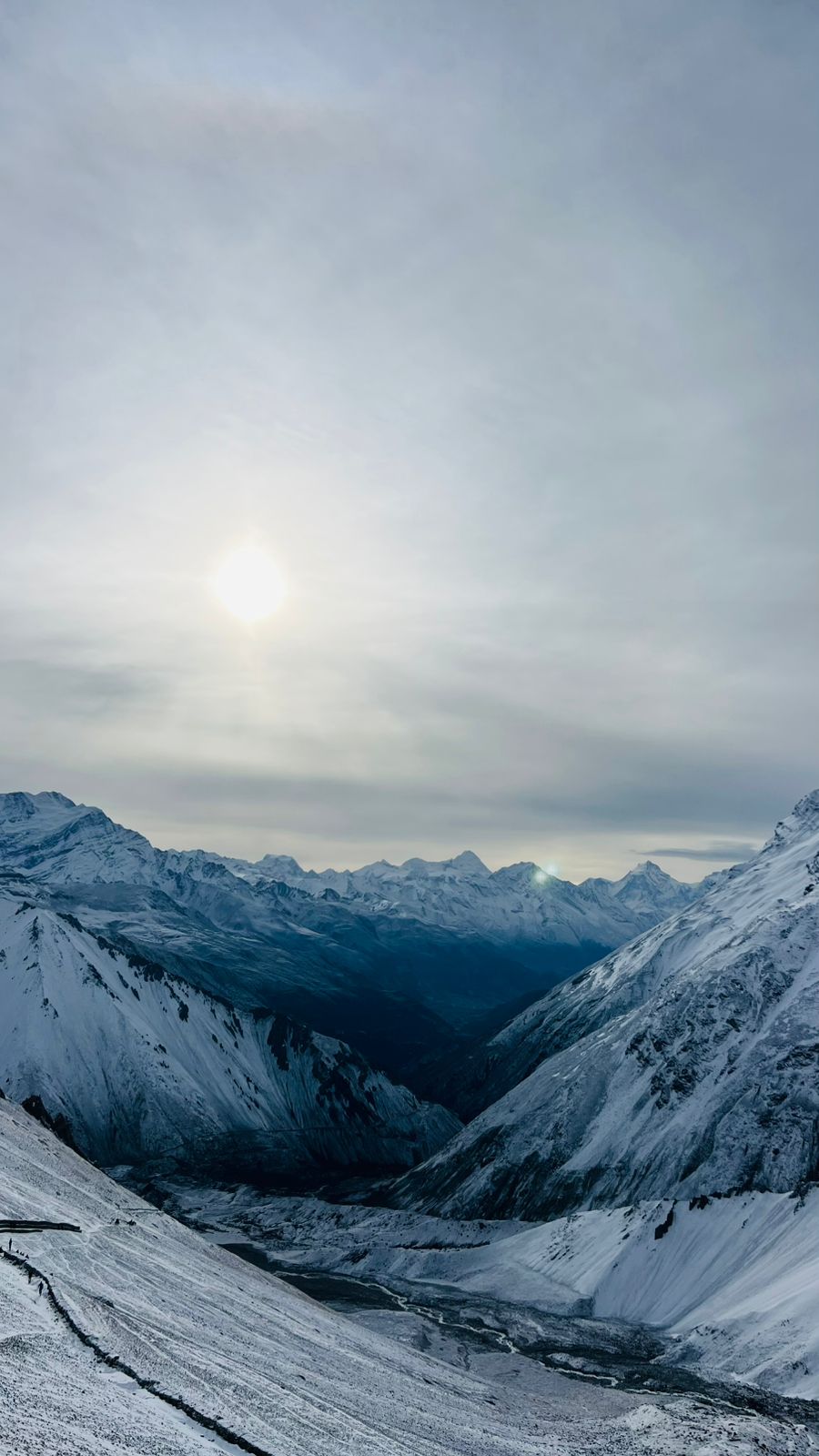
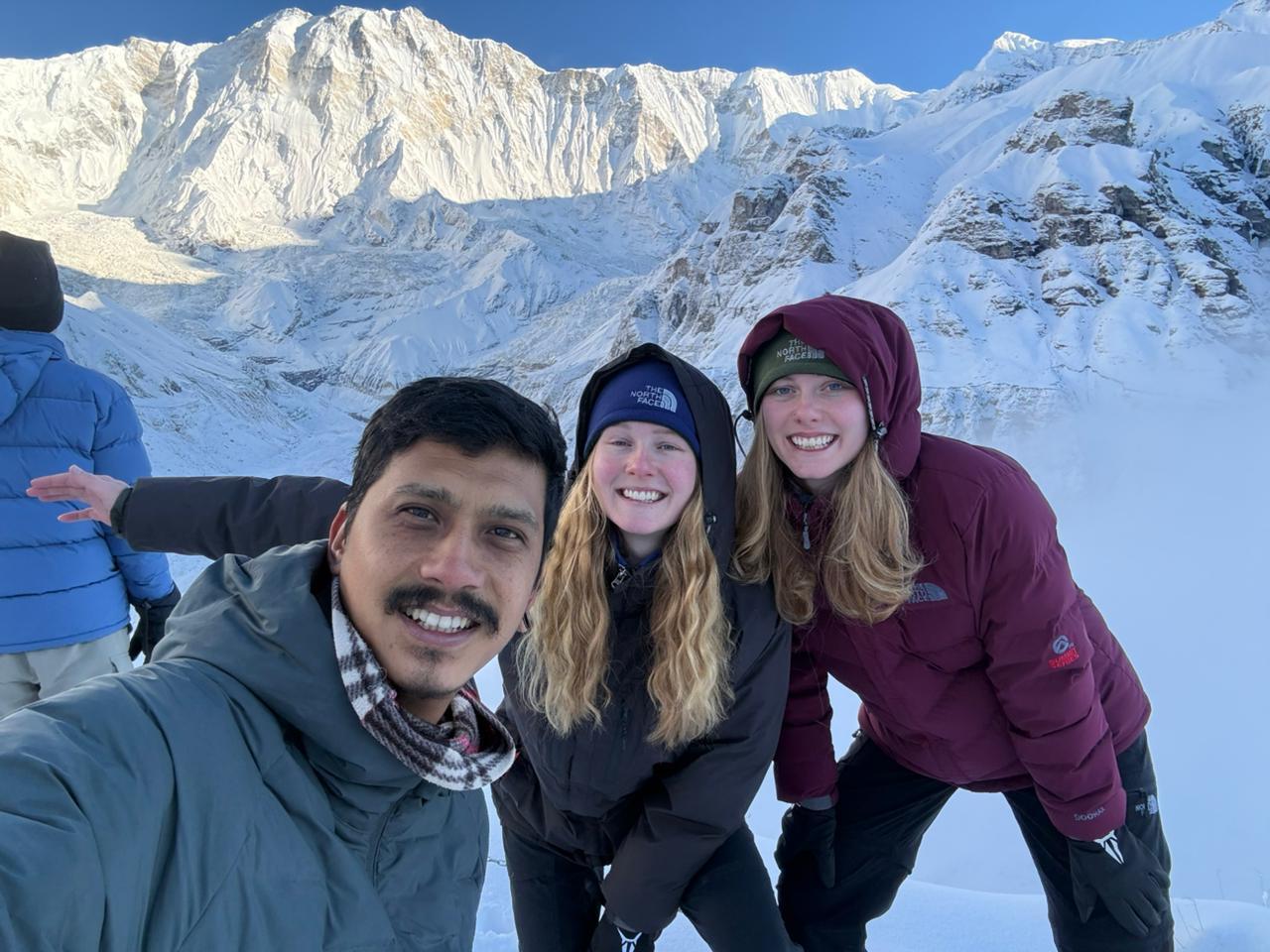
The Poon Hill Trek is one of the most scenic and accessible journeys in Nepal’s Annapurna region, situated within the renowned Annapurna Conservation Area, which protects a rich variety of landscapes, flora, and fauna. Typically covering about 40–50 kilometers over four to five days, the trek begins from Nayapul or nearby trailheads and ascends through picturesque villages to Poon Hill (3,210 m), while the route’s settlements range from approximately 1,070 m at Nayapul to over 3,200 m at the viewpoint. The highlight of the trek is the spectacular sunrise panorama over some of the Himalayas’ most iconic peaks, including Annapurna South (7,219 m), Annapurna I (8,091 m), Machhapuchhre (6,993 m), Hiunchuli (6,441 m), and Dhaulagiri (8,167 m). Major attractions along the route include Ghorepani, Tikhedhunga, Ulleri, Ghandruk, and the famous Poon Hill viewpoint, where golden morning light illuminates snow-capped mountains and creates one of Nepal’s most celebrated trekking experiences.
Beyond its mountain scenery, the Poon Hill Trek offers an immersive introduction to the culture and daily life of the Himalayan foothills. The trail passes through villages inhabited mainly by Gurung and Magar communities, whose traditions reflect a harmonious blend of Buddhist and Hindu religious practices, visible in monasteries, prayer flags, temples, and local festivals. Dense forests of rhododendron, oak, pine, and bamboo blanket the hillsides, especially vibrant during the spring flowering season. Local people depend on farming, livestock, and tourism, while mules and pack animals are commonly used to transport supplies along the mountain trails; yaks are less common at these lower elevations but can occasionally be seen in higher settlements nearby. The conservation area supports diverse wildlife, including Himalayan langurs, barking deer, Himalayan tahr, pheasants, and numerous bird species, creating a lively natural environment. Together, its magnificent Himalayan views, cultural richness, colorful vegetation, and thriving mountain life make the Poon Hill Trek a memorable and rewarding adventure in the heart of the Annapurna Himalaya.
Tap a day to expand the details.
Transfer from the trailhead and begin walking into the Annapurna region, settling into the first overnight stop.
A full trekking day through changing scenery, with stops in local villages along the way.
A full trekking day through changing scenery, with stops in local villages along the way.
The main scenic highlight of the Poon Hill Short Trek, reached after an early start.
Final travel day back to the start point, with time to rest before your onward journey.
Altitude sickness can occur when your body struggles to adjust to high elevations and lower oxygen levels. During the Annapurna Base Camp Trek, you may experience symptoms such as headache, dizziness, nausea, tiredness, or difficulty sleeping. Stay hydrated, ascend gradually, and inform your guide immediately if you feel unwell. Planning your Annapurna Base Camp adventure with an experienced local trekking company can make your journey more organized and enjoyable. If you are looking for a trusted trekking company in Nepal, our team at Mountain Mate Trek is available to help you plan and experience your Himalayan adventure at www.mountainmatetrek.com

1 review
Log in to share your experience of this trek.
Amy Chen
Perfect first trek in Nepal. Sunrise over Dhaulagiri was worth the early start.