
No Groups Available

The Langtang Valley Trek is one of Nepal's most beautiful Himalayan trekking adventures, offering a perfect blend of spectacular mountain scenery, traditional culture, ancient monasteries, and diverse landscapes. Located in the Langtang region, just north of Kathmandu and close to the border with Tibet, this trek is an excellent choice for travelers seeking an authentic Himalayan experience away from Nepal's busiest trekking routes.
The journey takes place inside Langtang National Park, Nepal's first Himalayan national park, which is known for its rich biodiversity, alpine forests, glaciers, rivers, and snow-covered peaks. Trekkers walk through forests of rhododendron, oak, bamboo, and pine while passing waterfalls, suspension bridges, yak pastures, and traditional mountain villages.
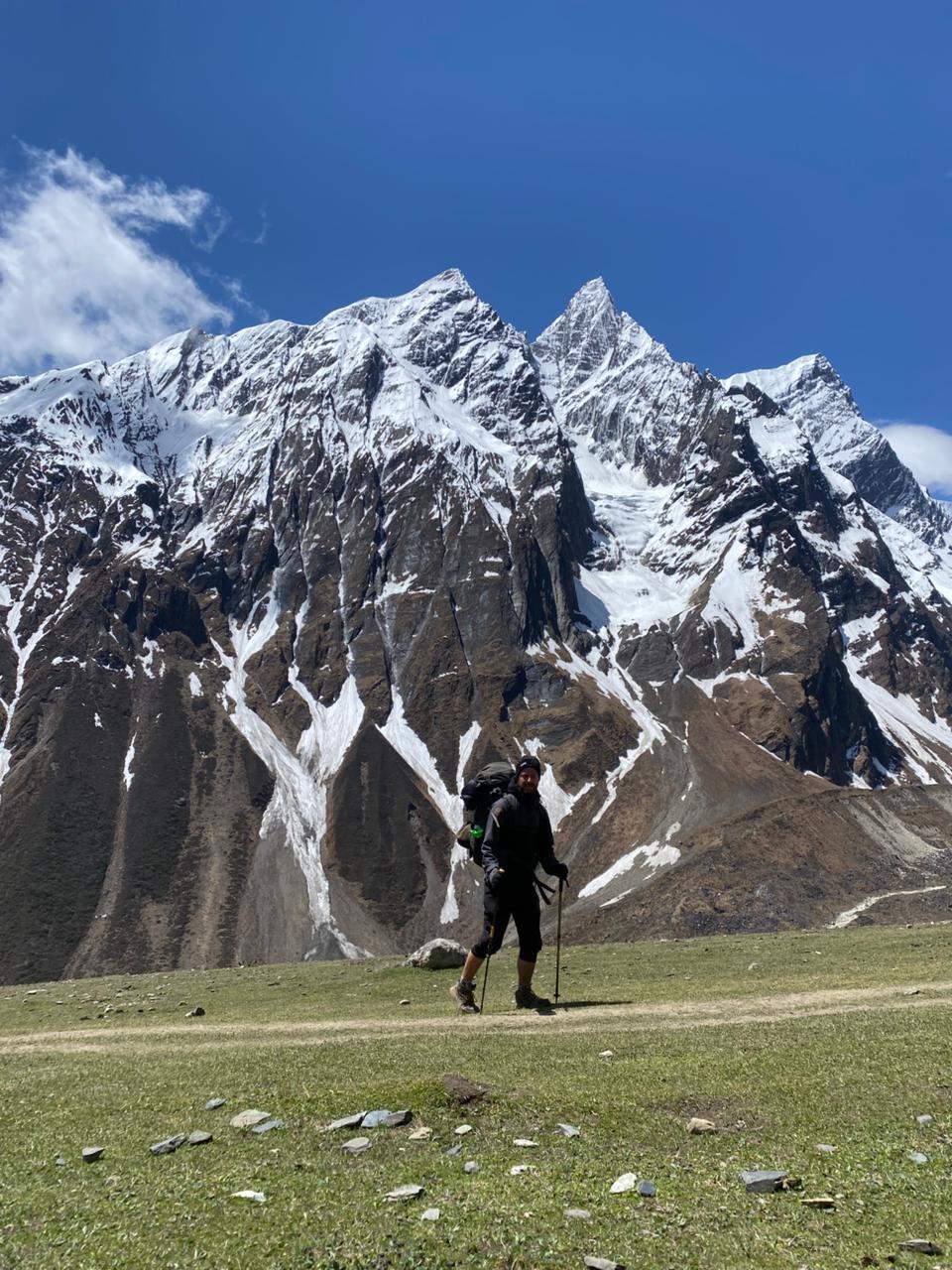
One of the major highlights of the trek is Kyanjin Gompa, a historic Buddhist monastery surrounded by dramatic Himalayan landscapes. The village is the cultural heart of the Langtang Valley and offers breathtaking views of Langtang Lirung, the highest peak in the region, along with Ganesh Himal, Dorje Lakpa, and other surrounding mountains. Many trekkers also hike to nearby viewpoints such as Kyanjin Ri and Tserko Ri for panoramic sunrise and sunset views over the Himalayas.
The Langtang Valley is home to the Tamang people, an Indigenous Himalayan community whose culture has strong influences from Tibetan Buddhism. Throughout the trek, visitors encounter prayer wheels, mani walls, colorful prayer flags, chortens, monasteries, and traditional stone-built villages that reflect centuries-old Buddhist traditions and mountain lifestyles.
The trek is generally considered a moderate Himalayan trek, making it suitable for both first-time trekkers with good fitness and experienced hikers. Depending on the itinerary, the journey usually takes 7–10 days, with opportunities for acclimatization hikes and exploration around Kyanjin Gompa. The trail combines comfortable tea-house accommodation with unforgettable views of glaciers, alpine meadows, and towering Himalayan peaks.
The Langtang Valley Trek is an ideal adventure for travelers looking to experience Nepal's natural beauty, rich Buddhist heritage, traditional mountain culture, and stunning Himalayan landscapes within a relatively short distance from Kathmandu.
Tap a day to expand the details.
Your adventure begins with a scenic drive from Kathmandu toward Syabrubesi, the main gateway to the Langtang Valley. The journey takes you away from the busy Kathmandu Valley and into the beautiful hills of northern Nepal. Along the way, the road passes through Trishuli Bazaar and follows winding mountain roads surrounded by green hills, terraced farmland, forests, rivers, and traditional villages. As you get closer to Syabrubesi, the landscape becomes increasingly rugged and mountainous, giving you your first real glimpse of the Himalayan environment. After arriving in Syabrubesi, you check into your accommodation, relax, and prepare for the trekking days ahead.
Today marks the beginning of your trek into the Langtang Valley. After breakfast in Syabrubesi, the trail follows the Bhote Koshi and Langtang Khola through a beautiful landscape of forests, rivers, waterfalls, and steep mountain slopes. The route gradually climbs through dense woodland dominated by oak, rhododendron, bamboo, and other Himalayan vegetation. Along the way, you pass small settlements and peaceful resting areas where you can observe the traditional lifestyle of local mountain communities. The sound of the river accompanies much of the walk as the trail gradually gains altitude. After several hours of walking through the forest, you reach Lama Hotel, a quiet riverside settlement surrounded by lush woodland, where you spend the night.
The trail continues deeper into Langtang National Park as you leave Lama Hotel behind and follow the Langtang Khola upstream. The forest gradually becomes more open as you gain altitude, and the surrounding mountains begin to appear more prominently between the trees. You pass through areas such as Riverside and Ghoda Tabela, where the valley starts to widen and the landscape takes on a more alpine character. As you continue toward Langtang Valley, you encounter traditional stone houses, prayer flags, mani walls, and Buddhist monuments that reflect the strong Tibetan Buddhist culture of the region. The mountains become increasingly impressive as the valley opens around you. Eventually, you reach Langtang Valley, a historic mountain settlement surrounded by dramatic Himalayan scenery, where you rest and spend the night.
Today is a shorter but important trekking day as you continue toward Kyanjin Gompa, the highest settlement on the main Langtang Valley trail. After breakfast, the trail gradually climbs through an increasingly open alpine landscape. You pass traditional stone-built settlements, mani walls, prayer wheels, and colorful prayer flags while enjoying spectacular views of the surrounding Himalayan peaks. As you approach Kyanjin Gompa, the valley opens dramatically, revealing snow-covered mountains and rugged high-altitude terrain. After reaching Kyanjin Gompa, you have time to explore the surrounding area and acclimatize to the higher elevation. You can visit the historic monastery, walk around the village, and enjoy panoramic views of peaks such as Langtang Lirung and other surrounding mountains. The peaceful atmosphere, glacial landscape, and dramatic Himalayan scenery make Kyanjin Gompa one of the highlights of the trek.
After breakfast, you begin the long descent from Kyanjin Gompa toward Lama Hotel, retracing the trail through the Langtang Valley. The route initially passes through the open alpine landscape surrounding Kyanjin Gompa before gradually descending into areas with more vegetation. As you lose altitude, the landscape changes noticeably, with forests becoming denser and the air becoming warmer. The trail passes through Langtang Valley and Ghoda Tabela before continuing along the Langtang Khola. Although the route follows much of the same trail used during the ascent, the downhill journey offers a different perspective of the surrounding mountains, valleys, waterfalls, and forests. After several hours of walking, you arrive back at Lama Hotel, where you can relax and enjoy a well-deserved evening after the long descent.
Today is the final trekking day of your Langtang Valley adventure. From Lama Hotel, you follow the familiar trail downhill through the lush forests toward Syabrubesi. The route gradually loses elevation as you walk alongside the Langtang Khola, passing waterfalls, woodland, small settlements, and scenic sections of the valley.
As you descend, the vegetation becomes greener and the surroundings feel warmer compared with the high-altitude areas around Kyanjin Gompa. The final section of the trail brings you back toward Syabrubesi, where your trekking journey officially comes to an end. After arriving, you can relax at your accommodation, enjoy a warm meal, and reflect on the experience of trekking through the Langtang region.
After breakfast, you begin the scenic drive back to Kathmandu. The journey retraces the winding mountain roads through the hills of northern Nepal, passing rural settlements, terraced farmland, forests, and river valleys. As you gradually descend toward the Kathmandu Valley, the landscape changes from remote mountain scenery to more developed towns and busy settlements. The long drive provides an opportunity to reflect on your journey through Langtang National Park, from the forests and river valleys around Syabrubesi to the high Himalayan landscape of Kyanjin Gompa. After approximately 7–8 hours of driving, you arrive in Kathmandu, marking the end of your Langtang Valley trekking adventure.
1 review
Log in to share your experience of this trek.
Marc Dupont
Quieter than Everest and just as beautiful. One long day but the guide paced it perfectly.